This website is managed by Ultima Markets’ international entities, and it’s important to emphasise that they are not subject to regulation by the FCA in the UK. Therefore, you must understand that you will not have the FCA’s protection when investing through this website – for example:
You will not be guaranteed Negative Balance Protection
You will not be protected by FCA’s leverage restrictions
You will not have the right to settle disputes via the Financial Ombudsman Service (FOS)
You will not be protected by Financial Services Compensation Scheme (FSCS)
Any monies deposited will not be afforded the protection required under the FCA Client Assets Sourcebook. The level of protection for your funds will be determined by the regulations of the relevant local regulator.
Note: UK clients are kindly invited to visit https://www.ultima-markets.co.uk/. Ultima Markets UK expects to begin onboarding UK clients in accordance with FCA regulatory requirements in 2026.
If you would like to proceed and visit this website, you acknowledge and confirm the following:
1.The website is owned by Ultima Markets’ international entities and not by Ultima Markets UK Ltd, which is regulated by the FCA.
2.Ultima Markets Limited, or any of the Ultima Markets international entities, are neither based in the UK nor licensed by the FCA.
3.You are accessing the website at your own initiative and have not been solicited by Ultima Markets Limited in any way.
4.Investing through this website does not grant you the protections provided by the FCA.
5.Should you choose to invest through this website or with any of the international Ultima Markets entities, you will be subject to the rules and regulations of the relevant international regulatory authorities, not the FCA.
Ultima Markets wants to make it clear that we are duly licensed and authorised to offer the services and financial derivative products listed on our website. Individuals accessing this website and registering a trading account do so entirely of their own volition and without prior solicitation.
By confirming your decision to proceed with entering the website, you hereby affirm that this decision was solely initiated by you, and no solicitation has been made by any Ultima Markets entity.
Ultima Markets does not have an establishment in Singapore and does not operate from Singapore.
Ultima Markets does not provide products or services to citizens or residents of Singapore, and account applications from Singapore citizens or residents will not be accepted.
If you are a citizen or resident of Singapore, please do not open an account or use Ultima Markets’ products or services.
By selecting “Acknowledge and Continue Browsing”, you confirm that you are accessing this website on your own initiative and that your access is not the result of any direct marketing, targeted advertising, solicitation, or promotional activity by Ultima Markets.
Nothing on this website constitutes an offer, solicitation, or promotion of products or services in any jurisdiction where such activity is prohibited. You are responsible for ensuring that your access to and use of this website complies with applicable local laws and regulations.
Curious about how to get into day trading? Learn through our beginner guide covering all the strategies and management tips to build your trading skills.
Day trading has attracted many new traders who want to participate in financial markets and take advantage of short-term price movements. However, knowing how to get into day trading requires more than simply opening an account and placing trades. Beginners need to understand market behaviour, develop a strategy and learn how to manage risk before committing real capital.
So, what is day trading and how can beginners start? In simple terms, day trading involves buying and selling financial instruments within the same trading session, aiming to benefit from short-term price changes.
While it can offer opportunities, it also carries significant risks and requires discipline, knowledge and continuous learning. This guide explains how to start day trading, what beginners need to know and the key steps to build a strong foundation.
What Is Day Trading?
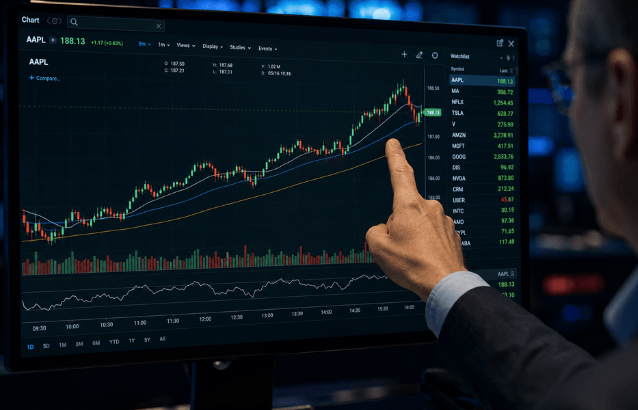
Day trading is a short-term trading approach where traders open and close positions within the same day. Unlike long-term investors who may hold assets for months or years, day traders focus on smaller price movements that occur during market hours.
Day traders commonly use technical analysis, market news and price patterns to identify potential opportunities. Popular markets for day trading include:
Stocks
Forex
Indices
Commodities
Cryptocurrencies
The goal of day trading is to profit from intraday price movements rather than waiting for long-term market growth.
However, day trading is not a guaranteed way to make money. Market conditions can change quickly, and losses can occur without proper risk management. Regulatory bodies such as FINRA have highlighted that day trading can involve significant risks, particularly for individuals with limited experience or insufficient capital.
Who Is Day Trading Suitable For?
Before learning how to get into day trading, beginners should consider whether this trading style matches their goals and personality.
Day trading may suit people who:
Have time to monitor the markets
Day trading requires active involvement. Traders often need to follow charts, market movements and economic events during trading sessions.
Enjoy analysing data
Successful day traders rely on information such as price action, technical indicators and market trends to make decisions.
Can manage emotions
Fear, greed and impatience can influence trading decisions. A disciplined trader follows their strategy rather than reacting emotionally to short-term market movements.
Understand the importance of risk
Losses are part of trading. Successful traders focus on protecting their capital and maintaining consistency instead of trying to win every trade.
How to Get Into Day Trading: 7 Steps for Beginners
For those searching how to get into day trading, the best approach is to build knowledge and experience gradually.
1. Learn How Financial Markets Work
The first step is understanding the basics of trading. Beginners should learn important concepts such as:
How buy and sell orders work
Bid and ask prices
Market liquidity
Volatility
Leverage and margin
Support and resistance levels
Understanding these concepts helps traders recognise why prices move and how different market conditions can affect trading decisions.
2. Choose a Market to Focus On
Many beginners make the mistake of trying to trade every market at once. Instead, focusing on one market can help develop a deeper understanding.
For example:
Stocks: Traders can focus on company earnings, market sentiment and price movements.
Forex: The currency market offers high liquidity and operates across global trading sessions.
Indices: Traders can speculate on broader market movements by following groups of companies.
Commodities: Assets such as gold and oil can react strongly to economic data and geopolitical events.
Choosing the right market depends on your interests, available time and risk tolerance.
3. Learn Technical Analysis
Technical analysis is one of the most common methods used by day traders. It involves studying historical price movements to identify possible trading opportunities.
Common tools include:
Candlestick charts
Moving averages
Trend lines
Support and resistance levels
Volume indicators
Beginners do not need to master every indicator. The focus should be on understanding price behaviour and identifying clear trading setups.
4. Develop a Trading Strategy
A trading strategy gives traders a structured approach instead of making decisions based on emotions.
A basic day trading strategy should include:
When to enter a trade
When to exit a trade
Where to place stop-loss orders
How much capital to risk
How to measure performance
Common day trading strategies include trend trading, breakout trading and range trading.
For example, a breakout strategy involves entering a trade when price moves beyond an important support or resistance level, while trend trading focuses on following the overall market direction.
5. Practise With a Demo Account
One of the most important steps in how to learn day trading is gaining practical experience.
A demo account allows beginners to practise trading with virtual funds before risking real money. It can help traders:
Learn how trading platforms work
Test different strategies
Practise placing orders
Understand market movements
Although demo trading does not fully replicate the emotions of real trading, it provides valuable experience before moving into live markets.
6. Understand Risk Management
Risk management is one of the most important skills for anyone learning how to start day trading.
Some key principles include:
Using stop-loss orders
Avoiding excessive leverage
Limiting trade sizes
Not risking money you cannot afford to lose
Keeping a trading journal
A good trader does not focus only on potential profits. Protecting capital allows them to continue learning and improving over time.
7. Start Small and Improve Gradually
Beginners should avoid the temptation to make large trades immediately. Starting with smaller positions allows traders to gain experience while limiting potential losses.
Keeping a trading journal can also help identify patterns, including which strategies work, which mistakes occur and how emotions affect decisions.
How Much Money Do You Need to Start Day Trading?
A common question from beginners is how much money do you need to start day trading. The answer depends on the market, broker requirements and trading style.
Some markets allow traders to begin with smaller amounts, while others may require higher account balances due to regulations or margin requirements.
However, having more capital does not guarantee better results. A strong understanding of risk management and trading discipline is often more important than account size.
Common Mistakes Beginner Day Traders Make
Many new traders struggle because they focus too much on making quick profits. Common mistakes include:
Trading without a plan: Entering trades without clear rules can lead to inconsistent results.
Using too much leverage: Leverage can increase both profits and losses.
Overtrading: Taking too many trades can reduce focus and increase unnecessary risk.
Ignoring emotions: Fear and frustration can cause traders to abandon their strategy.
Is Day Trading Worth Learning?
Day trading can be a valuable skill for those interested in financial markets, but it requires realistic expectations. It is not a shortcut to guaranteed profits and becoming consistent takes time, practice and discipline.
For beginners, the best approach is to focus on education, practise regularly and develop strong risk management habits. Understanding the process of how to get into day trading can help traders build a more structured approach and avoid common mistakes.
FAQs
Can beginners start day trading?
Yes, beginners can learn day trading, but success requires education, discipline and effective risk management.
How much money do you need to start day trading?
The amount depends on the market and broker requirements. Beginners should focus on learning skills rather than starting with a large account.
How long does it take to learn day trading?
The basics can be learned within months, but developing consistency usually requires much more practice and experience.
Is day trading profitable?
Day trading can be profitable, but it involves significant risks. Results depend on strategy, discipline and market conditions.
Share Now
Disclaimer:This content is provided for informational purposes only and does not constitute, and should not be construed as, financial, investment, or other professional advice. No statement or opinion contained herein should be considered a recommendation by Ultima Markets or the author regarding any specific investment product, strategy, or transaction. Readers are advised not to rely solely on this material when making investment decisions and should seek independent advice where appropriate.
Thank you for visiting the Ultima Markets website. Please note that this website is intended for individuals residing in jurisdictions where access is permitted by law. Ultima and its affiliated entities do not operate in your home jurisdiction.
By clicking ‘Acknowledge’, you confirm that you are entering this website solely on your own initiative and not as a result of any specific marketing outreach. You wish to obtain information from this website based on reverse solicitation principles, in accordance with the applicable laws of your home jurisdiction.